
Common Signs You Need Parking Lot Pavement Reconstruction Soon
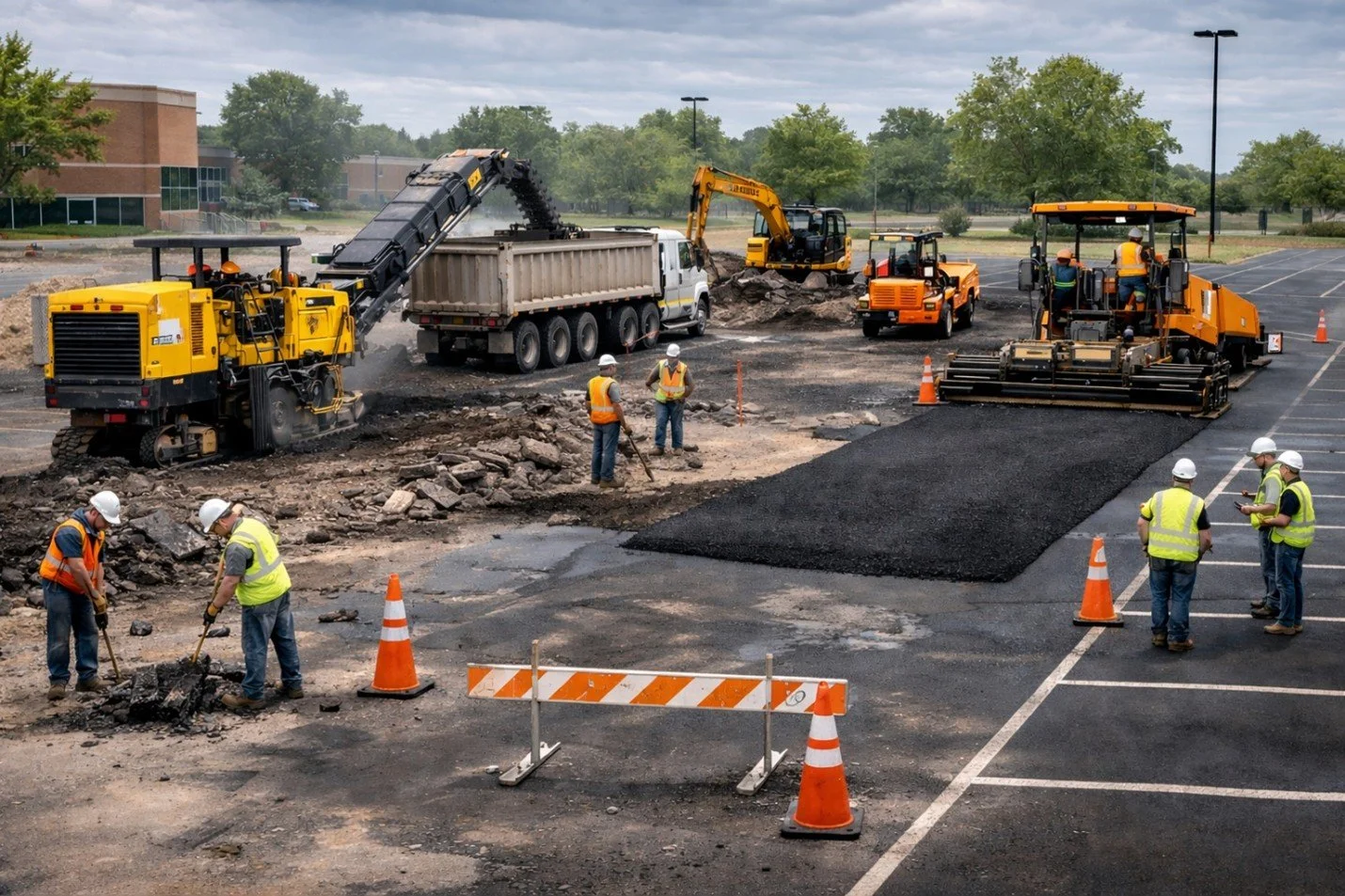
A parking lot does more than hold cars. It shapes first impressions, supports daily traffic, and affects safety for drivers and people walking through the space. Small surface problems may look harmless at first, but they can point to more serious damage below the asphalt.
When those signs keep growing, basic repairs may stop being enough. That is when property owners need to look closely at the full condition of the surface. Knowing what to watch for can help with timing, planning, and making better long-term decisions.
Why Surface Damage Should Never Be Ignored
Parking lot damage usually starts in a quiet way. A few cracks appear, water starts to sit in low spots, and edges begin to break apart. Many owners think these problems can wait, but pavement rarely gets better on its own.
When damage keeps spreading, the issue may go below the top layer. The base may weaken, water may move into deeper sections, and traffic pressure may push the pavement past the point of simple repair.
In those cases, parking lot pavement reconstruction becomes a more practical answer than repeated patching.
Wide and Growing Cracks Are a Warning Sign
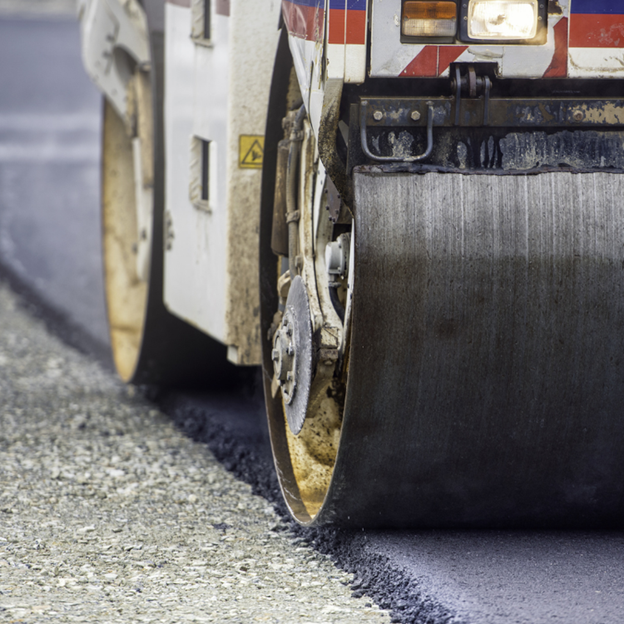
Cracks are common in asphalt, but the size, depth, and pattern matter. A few small cracks may be handled with crack sealing. Large or connected cracks often tell a different story.
Watch for these signs:
● Cracks that spread in several directions across one section
● Open gaps that keep getting wider over time
● Cracking that returns soon after earlier repair work
● Groups of cracks that form broken shapes across the surface
These signs may show that the pavement structure is under stress, not just the top layer.
Pooling Water Shows Drainage Problems
Water is one of the biggest threats to asphalt and concrete surfaces. If water does not drain well, it can sit on the lot and slowly weaken the material. Over time, this can damage both the surface and the base underneath.
Here is a simple look at what standing water may suggest:
| Surface Condition | What It May Mean | Why It Matters |
|---|---|---|
| Water stays after rain for many hours | Poor drainage or low spots | Moisture can weaken pavement layers |
| Water collects near cracks | Open paths for water entry | Cracks may grow and break apart faster |
| Water sits near patched sections | Uneven repair or base failure | The repaired area may not last |
| Water gathers at curbs or edges | The drain path is failing | Edge damage may spread inward |
If water keeps showing up in the same places, it is smart to look at the full structure of the lot.
Uneven Areas Can Affect Safety and Daily Use
A parking lot should feel stable under traffic. When surfaces start to sink, lift, or shift, people notice it fast. Cars bounce, carts shake, and people walking across the lot may face a greater risk of trips and falls.
Common uneven surface signs include:
● Depressed sections where vehicles dip as they pass
● Raised spots that create a rough driving path
● Areas near drains or curbs that no longer sit level
● Sloped parking stalls that feel awkward or unsafe
These conditions do not just affect comfort. They also affect safety, water flow, and the life of nearby pavement.
Faded Striping Can Hide Larger Pavement Issues
Faded lines may look like a striping problem only, but they can also reveal surface wear. When the top layer becomes rough, brittle, or broken, striping does not hold well and the lot starts to look worn even after fresh paint.
This matters because parking lot appearance and function often decline together. If traffic markings fade quickly and the surface looks patchy or worn, it may be time to inspect the lot more closely. Yellow Dawg® also handles pavement line striping, which matters when a reconstructed surface needs safe and clear layout planning, including ADA-related needs where required.
Too Many Repairs Can Mean the Surface Is Near the End
There comes a point when repeated repairs stop making financial sense. A patch here, a seal there, and another small fix next season can slowly turn into a cycle that drains time and budget. Parking lot pavement reconstruction may sound like a larger step, but in some cases, it helps stop the pattern of constant repair and gives the property a more stable starting point.
Concrete Trouble Around the Lot Also Matters
A parking lot is not made of asphalt alone. Sidewalks, ramps, curbs, and other flat concrete surfaces affect the way the full area performs. If those parts crack, sink, or shift, they can create drainage issues and safety concerns that connect back to the pavement itself.
Concrete issues to watch include:
● Broken sidewalks near parking stalls
● Damaged ramps that affect access
● Curbs are pulling away from the asphalt edge
● Surface lifting that changes water movement
Yellow Dawg® also provides concrete work for sidewalks, curbs, ramps, and other flat surfaces. Looking at these areas together gives a clearer picture of the full site condition.
What Property Owners Should Review Before Making a Decision
It helps to step back and assess the full pattern, not just one damaged spot. A good decision usually comes from seeing how many issues are happening at once and how often they return.
Review these points:
● How often have repairs been needed in the last few years
● Whether cracks, potholes, and water issues are spreading
● If traffic flow feels rough or unsafe in key areas
● Whether curb appeal has dropped because of visible wear
● If concrete, striping, and asphalt problems are happening together
When several of these signs appear at the same time, parking lot pavement reconstruction may be the more useful path for the property.
Conclusion
A damaged parking lot rarely affects one issue only. Surface wear, drainage trouble, broken edges, fading striping, and concrete damage often connect more than people expect. That is why it helps to review the whole site before choosing the next step.
Yellow Dawg® offers services tied to asphalt paving, hot asphalt patchwork, sealcoating, crack sealing, concrete work, and line striping, which helps property owners look at site conditions in a practical way. A careful review can make the next decision clearer, safer, and easier to manage over time.