
How to Repair Cracks in Asphalt Parking Lot Surfaces
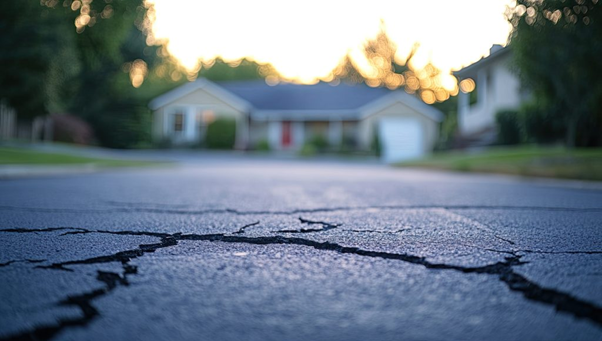
A parking lot rarely shows damage all at once. Most problems begin with thin lines that appear across the asphalt surface. At first, they seem minor. Many property owners leave them alone for a while.
Over time, those lines widen and begin to break apart under traffic and weather. Learning how to repair cracks in asphalt parking lot surfaces helps you stop that cycle early.
This blog explains why cracks form, how repair methods work, and when professional parking lot crack repair services can help maintain your pavement for longer use.
How to Repair Cracks in Asphalt Parking Lot Surfaces
A parking lot rarely shows damage all at once. Most problems begin with thin lines that appear across the asphalt surface. At first, they seem minor. Many property owners leave them alone for a while.
Over time, those lines widen and begin to break apart under traffic and weather. Learning how to repair cracks in asphalt parking lot surfaces helps you stop that cycle early.
This blog explains why cracks form, how repair methods work, and when professional parking lot crack repair services can help maintain your pavement for longer use.
Why Asphalt Parking Lot Cracks Form Over Time
Asphalt pavement deals with constant pressure. Vehicles pass through daily. Rainwater reaches the surface. Heat and cold shift the material slowly. All of this happens at the same time, and the pavement responds in small ways that gradually turn into visible cracks.
Water Infiltration and Poor Drainage
Water causes many pavement problems. Rain may seem harmless when it first reaches the asphalt surface. Trouble begins when moisture enters small openings in the pavement.
Once water reaches the base layer, the support beneath the asphalt weakens. The surface above begins to shift slightly. That movement eventually leads to visible cracking.
Standing water also speeds up deterioration. If water collects in low spots, the pavement underneath softens and breaks apart more easily.
Heavy Traffic Pressure
Every vehicle pushes down on the asphalt surface. Over time, this repeated pressure causes stress inside the pavement layers. Small cracks appear as the material struggles to handle the load.
Larger vehicles tend to cause the most damage. Turning movements and sudden stops also place extra strain on certain areas of the lot.
Aging Asphalt Materials
Asphalt surfaces change as they age. Sun exposure dries the material slowly. The oils within the asphalt begin to break down after years of exposure to air and sunlight.
This process makes the pavement more brittle. A brittle surface cannot flex easily under pressure. Cracks begin to form once flexibility fades.
Older parking lots often develop several small fractures across the surface. These lines may appear random at first, though they usually follow stress points in the pavement.
Lack of Routine Maintenance
Many parking lots receive little attention until the damage becomes obvious. Small cracks may appear harmless during the early stages. Some property owners postpone repairs for months or even years.
The problem grows quietly during that time. Moisture enters the pavement through those openings. Traffic pushes against weakened sections. Gradually the cracks widen and spread.
Routine maintenance interrupts that process. Early repair keeps minor damage from turning into larger structural problems.
Practical Methods for Asphalt Crack Repair
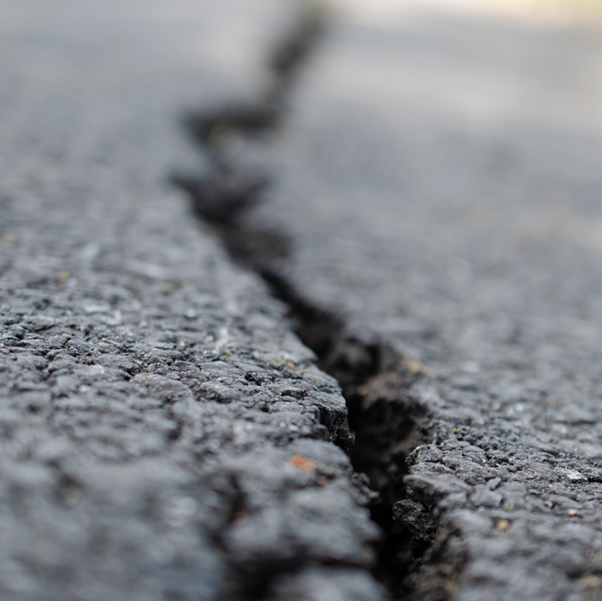
Once cracks appear, taking action early helps prevent deeper pavement failure. Repair methods depend on the size of the crack and the overall condition of the parking lot. When you understand how to repair cracks in asphalt parking lot surfaces, you can respond before the damage spreads further.
Cleaning and Preparing the Crack
Every repair begins with preparation. Dirt, dust, and loose debris collect inside pavement cracks over time. These materials prevent repair products from bonding properly.
Maintenance crews remove debris using air pressure or specialized tools. A clean surface allows sealants to attach firmly to the asphalt. Proper preparation improves the durability of the repair.
This step may seem simple, though it plays an important role in the repair process.
Crack Filling for Small Openings
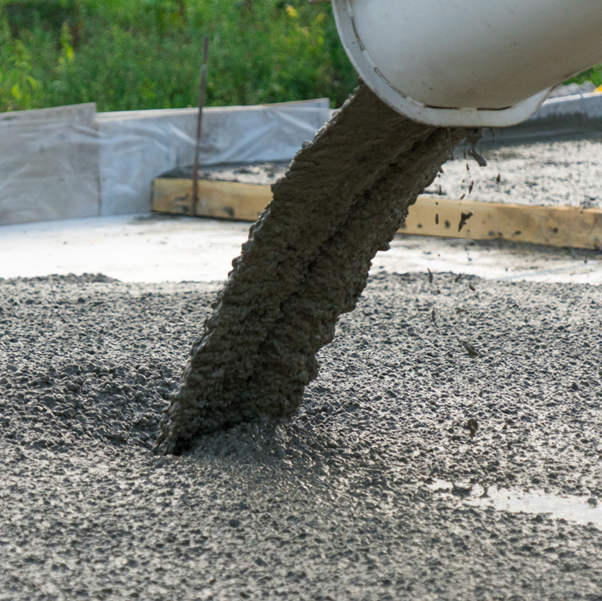
Smaller cracks often require flexible filler materials. These products flow into narrow openings and seal the gap along the pavement surface.
Once applied, the filler prevents water from entering the crack. It also reduces the chance of debris settling inside the opening.
Crack filling works well for early-stage damage. The repair blends into the pavement and slows the spread of surface fractures.
Crack Sealing for Larger Gaps
Larger cracks require stronger materials. Hot rubberized sealants are often used in these situations. These sealants expand and contract along with the asphalt as temperatures change.
This method forms a flexible barrier that blocks moisture from entering the pavement layers. Many maintenance teams rely on this process for effective parking lot crack repair.
Proper sealing extends the life of the asphalt surface and protects the base underneath.
Surface Protection After Repairs
Repairing cracks solves only part of the problem. The pavement still faces sun exposure, rain, and vehicle traffic.
Protective maintenance helps slow future deterioration. Sealcoating provides a protective layer across the asphalt surface. This layer shields the pavement from UV exposure and moisture.
Regular maintenance keeps the parking lot looking cleaner while improving durability.
Scheduling Routine Pavement Inspections
Inspection helps you notice pavement changes early. Walking through the parking lot occasionally reveals signs of wear. Look for small fractures, rough areas, or water collecting in certain spots.
Maintenance professionals often identify these issues quickly. Early repairs cost less and require less time than large reconstruction projects.
Consistent observation helps property owners maintain pavement surfaces over the long term.
Conclusion
Asphalt parking lots rarely deteriorate overnight. Small cracks usually appear first. They stretch slowly across the pavement while weather, water, and traffic continue their work.
Early repairs help stop that process. When cracks receive attention quickly, the pavement structure stays stronger for a longer period. Maintenance also improves safety and keeps the property looking well-maintained.
Paying attention to these small details often saves property owners significant repair costs later. A simple inspection today may prevent a large resurfacing project in the future.
At Yellow Dawg Asphalt, we help commercial properties maintain durable pavement through inspections, crack repair, line striping, and concrete work. Early maintenance stops small issues from spreading and keeps surfaces reliable. Contact our team today to schedule a pavement evaluation and keep your parking lot performing at its best.
FAQs
-
Several factors contribute to cracking. Temperature changes cause expansion and contraction. Water infiltration weakens the pavement base. Heavy traffic also places repeated pressure on the surface.
-
Cracks should be repaired soon after they appear. Early repairs prevent moisture from reaching the lower pavement layers.
-
Crack filling usually treats smaller openings. Crack sealing uses stronger rubberized materials designed for larger cracks that move during temperature changes.
-
Most commercial properties benefit from inspections once or twice each year. High traffic areas may require more frequent checks.
-
Yes. Repairing cracks prevents water infiltration and slows surface deterioration, helping the pavement remain functional for a longer period.