
Pavement Crack Repair for Parking Lots: What Property Owners Should Know
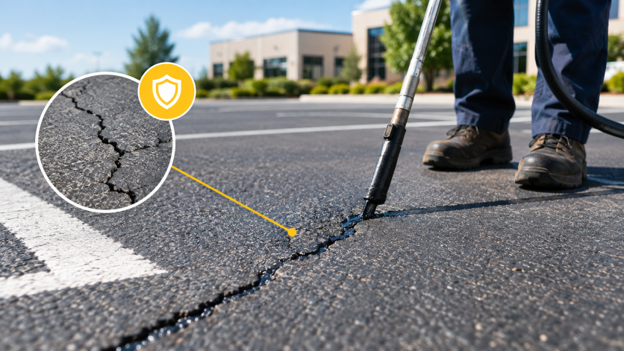
If you manage a parking lot, you've probably noticed a crack or two running across a traffic lane or stall line. It's easy to assume a small crack can wait. The problem is that pavement cracks rarely stay small on their own, and the repair you choose now has a lot to do with how long that section of pavement holds up afterward.
Cracks in asphalt or concrete may look minor at first, but they can quickly allow water, debris, and weather damage to move below the surface. Once moisture gets underneath a paved area, it starts working against the base layers that keep your lot stable. That's really what long-lasting pavement crack repair is about: closing that entry point before it turns into a bigger structural issue.
What Cracked Pavement Is Actually Telling You
A crack is the surface signal of stress happening underneath. Temperature swings, vehicle weight, sun exposure, and age all play a role in how asphalt and concrete break down over time. Some cracking is expected as pavement ages. What matters is whether the crack is stable and isolated, or whether it's spreading and connecting with others nearby.
Cracks that stay narrow and don't multiply are usually good candidates for repair. Cracks that widen, branch off into smaller cracks, or start linking together across a section of pavement are often a sign that the base underneath is already compromised.
What Affects How Long a Crack Repair Lasts
This is the part property owners don't always hear about. Not every crack repair is built to last the same amount of time, and that's rarely about the crew doing sloppy work.
A few factors make the biggest difference:
● Crack type and severity. Hairline surface cracks respond differently than wider, active cracks that continue to move.
● Moisture in the crack before repair. Sealing over trapped moisture shortens the life of almost any repair.
● Traffic and vehicle weight. Heavier or more frequent traffic puts more stress on a repaired area.
● Surface preparation. Cracks that are cleaned out and properly prepped before filling tend to hold up better than ones that aren't.
● Overall pavement condition. A single crack in otherwise solid pavement behaves differently than a crack in a lot that's showing wear in multiple areas.
Long-lasting pavement crack repair depends on matching the right method to these conditions, not just applying filler and moving on.
Parking Lot Crack Repair: When It's Needed
Parking lot crack repair is often needed once surface cracks start spreading across traffic lanes or parking stalls rather than staying isolated in one spot. At that stage, waiting usually means more water getting underneath the pavement with each rain, which speeds up deterioration.
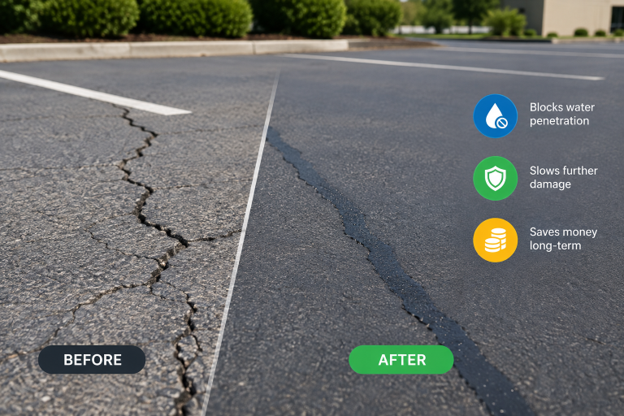
This is one of the more practical, cost-effective steps a property owner can take, especially when the surrounding pavement is still in reasonably good shape.
When Crack Filling Is Enough, and When It Isn't
Crack filling and sealing work well when:
● The cracks are relatively narrow and haven't spread into a network of smaller cracks
● The surrounding pavement is structurally sound
● There's no visible sinking, heaving, or pooling water around the crack
Crack repair alone may not be enough when:
● Multiple cracks have connected into a web-like (alligator) pattern
● The pavement around the crack feels soft, uneven, or shows signs of settling
● Water is consistently pooling in or near the cracked area
● The cracking keeps reappearing shortly after previous repairs
If you're seeing any of those signs, it's worth having the area evaluated before deciding on a repair approach, since patching a symptom without addressing the underlying condition rarely produces long-lasting pavement crack repair results.
Simple Maintenance Habits That Help
A few habits go a long way toward keeping cracks from spreading in the first place:
● Walk the lot periodically and note new or changing cracks
● Address standing water and drainage issues promptly
● Avoid letting small cracks sit through multiple freeze-thaw cycles
● Keep an eye on areas with heavy or repeated vehicle traffic
When Professional Pavement Repair Makes Sense
Once cracking starts spreading, reopening after previous repairs, or showing up alongside other surface changes, it's usually time for a closer look from someone who works with pavement regularly.
Yellow Dawg® helps property owners address pavement cracks before they spread into larger repair concerns, evaluating whether crack filling, patchwork, or a different approach fits the condition of your lot.
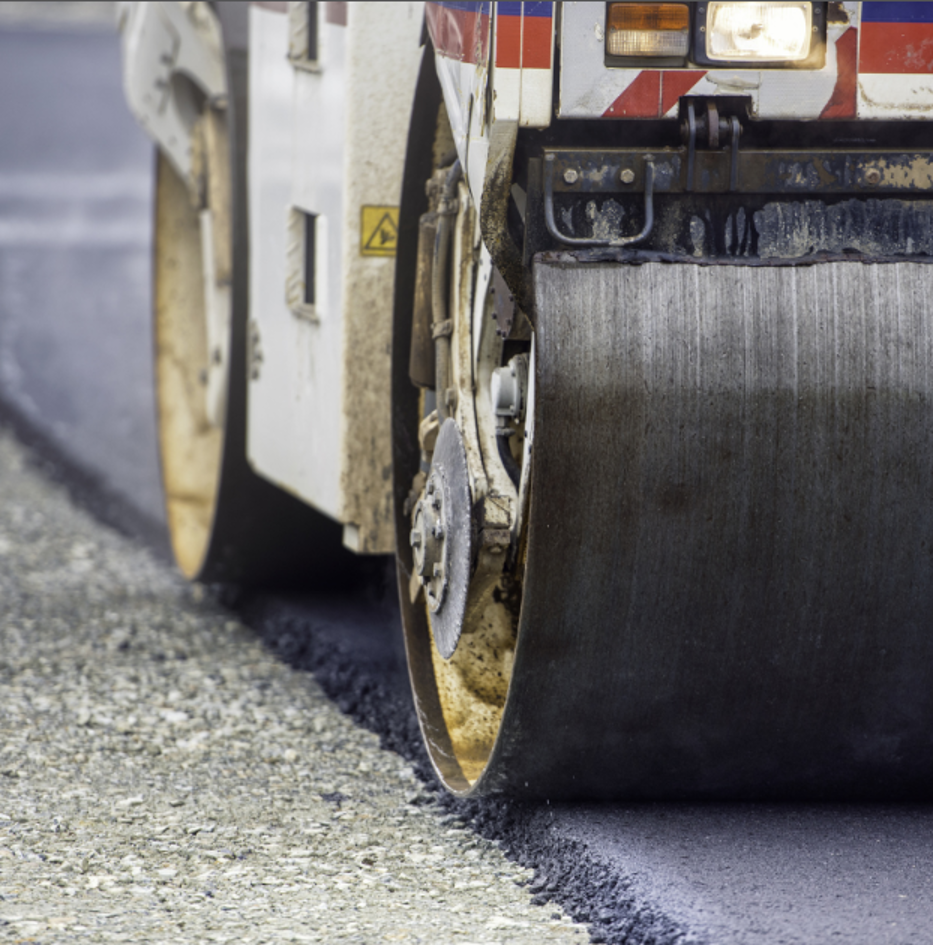
From parking lots and driveways to other paved areas, professional pavement crack repair from Yellow Dawg supports safer surfaces, cleaner curb appeal, and better long-term pavement performance; the kind of long-lasting pavement crack repair that holds up under real traffic and weather conditions, not just on paper.
Not every crack needs the same fix, and not every fix is built to last the same length of time. The condition of the crack, what's happening beneath the surface, and how the area is prepped before repair all shape the outcome. Catching cracks early and matching them to the right repair method is what actually protects your pavement investment over time.
FAQs
-
It depends on the crack type, how well the area was prepared, and ongoing traffic and weather exposure. Properly prepped repairs on stable pavement generally hold up better than repairs applied over compromised or moist areas.
-
They're related but not identical. Filling is typically used on non-moving or low-movement cracks, while sealing is often used on cracks that expand and contract with temperature changes. The right choice depends on the crack itself.
-
No. Filler works well for isolated, stable cracks, but widespread or interconnected cracking usually points to a deeper pavement issue that filler alone won't resolve.
-
Reopening is often linked to moisture that wasn't fully addressed before the repair, ongoing pavement movement, or repairs applied to areas with underlying structural issues.
-
Yes. Water that gets under the surface through a crack can erode the base layers supporting the pavement, which is why addressing cracks early matters.
-
When cracking is widespread, keeps returning after repair, or appears alongside sinking, heaving, or pooling water. At that point, a broader evaluation is usually more appropriate than repeated spot repairs.