
Parking Lot Cracks: When Pavement Crack Repair Is Enough
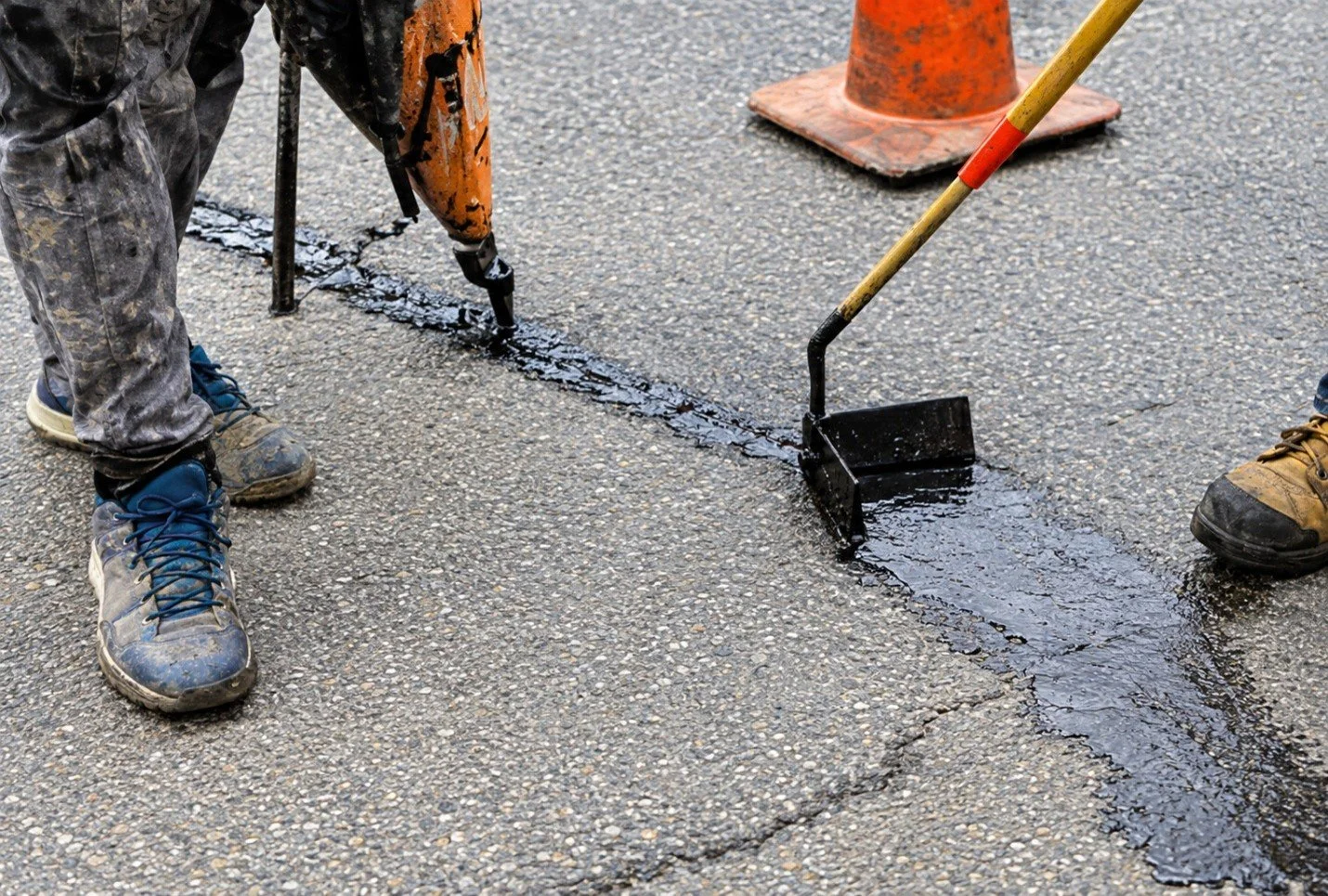
A cracked parking lot doesn't always mean a major project. In a lot of cases, pavement crack repair for parking lots is a simple fix that stops a small problem from becoming a bigger one. The harder part is knowing which situation you're actually dealing with.
Not every crack needs the same response. Some are cosmetic and easy to address. Others are a sign that something underneath the surface has already shifted.
Here's how to tell the difference.
Start With What the Crack Looks Like
Take a walk through your lot and look closely at how the cracks behave, not just where they are.
● Narrow, isolated cracks that haven't spread are usually the easiest to deal with.
● Cracks running in a single line without branching are typically more stable than ones that fork off in multiple directions.
● Cracks near curbs, drains, or low points deserve extra attention, since water tends to collect there and make things worse.
● Cracks that keep reappearing in the same spot after a previous repair often point to an issue below the surface rather than the crack itself.
If your cracks fall into the first two categories and the surrounding pavement feels solid underfoot, pavement crack repair for parking lots is often all that's needed.
Asphalt Cracks: When Repair Holds Up
Cracks in asphalt or concrete may look minor at first, but they can quickly allow water, debris, and weather damage to move below the surface. That's the main reason to address them sooner rather than later. Yellow Dawg® helps property owners address pavement cracks before they spread into larger repair concerns, and for most asphalt lots, that means crack filling or sealing done at the right stage.
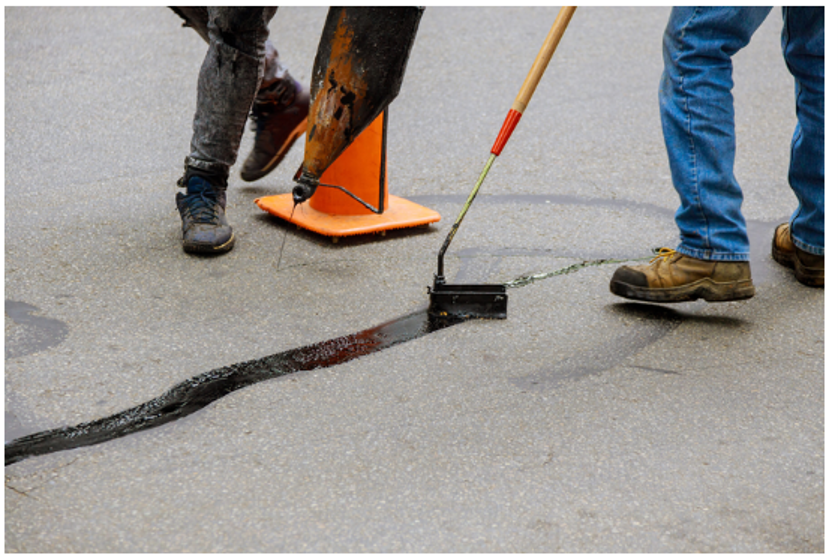
Parking lot crack repair is often needed once surface cracks begin spreading across traffic lanes or parking stalls, rather than staying contained to one area. Early crack filling helps reduce water infiltration into the base and can limit more expensive repairs later on. If you catch cracking while it's still isolated, this is usually the point where a simple repair does the job.
Concrete Parking Areas: A Different Set of Signs
Concrete behaves differently than asphalt when it starts to crack. Concrete pavement crack repair is appropriate where slabs begin to shift, separate, or show visible distress along the joints or crack lines. This is different from a surface hairline crack. Slab movement usually means the ground underneath has settled or shifted, and the crack is a visible result of that movement.
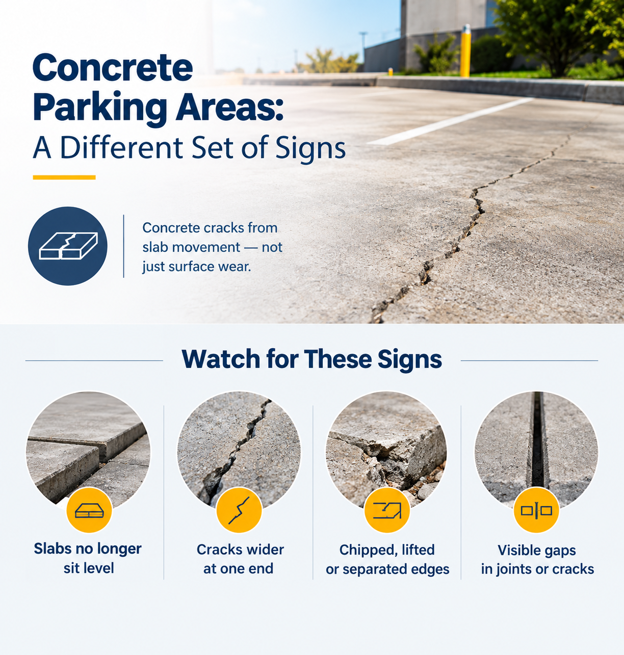
Addressing concrete pavement cracks early can help reduce trip hazards, further surface breakdown, and additional structural issues.
If you're managing a concrete lot, sidewalk, or loading area, watch for:
● Slabs that no longer sit level with each other
● Cracks that widen at one end more than the other
● Edges that have started to chip, lift, or separate
● Visible gaps where a joint or crack has opened up over time
These signs suggest the crack is connected to movement in the slab itself, which is worth having evaluated rather than filled and left alone.
When Repair Alone May Not Be Enough
Pavement crack repair for parking lots works well as a standalone fix in a lot of situations, but it has limits. It's worth getting a closer evaluation when you notice:
● Cracking that connects into a wider network across a section of pavement
● Pooling water that doesn't drain after rain
● Slabs or asphalt sections that feel uneven or soft when walked or driven over
● Repairs from a previous season that have already failed or reopened
● Cracks located in high-traffic drive lanes where the surface takes constant stress
None of these automatically mean a full reconstruction is needed. They just mean the situation deserves a real look before deciding on a fix, rather than assuming filler will solve it.
Factors That Affect the Decision
A few practical factors shape whether repair is enough:
● Traffic volume. Areas with constant vehicle weight wear differently than a lightly used corner of the lot.
● Age of the pavement. Older pavement nearing the end of its service life may show cracking as one of several issues, not the only one.
● Drainage. Poor drainage around a crack accelerates deterioration, even if the crack itself started small.
● How the crack has changed over time. A crack that's stayed the same size for months is a different story than one that's visibly widened.
What to Do Next
If your cracks are isolated, stable, and the surrounding pavement is in decent shape, scheduling pavement crack repair for parking lots is a reasonable, cost-conscious next step. If you're seeing slab movement, spreading cracks, or repeated repair failures, it's worth having someone assess the pavement before committing to a fix.
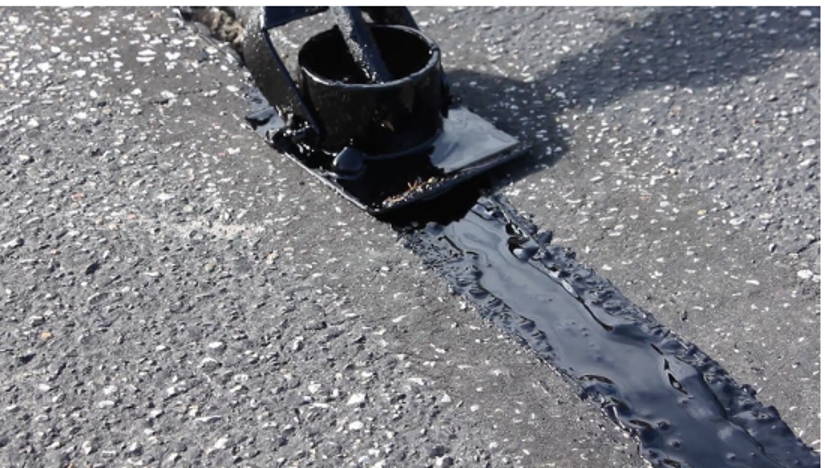
Yellow Dawg® works with property owners on both asphalt and concrete parking areas, helping determine whether crack repair, patchwork, or a more involved solution fits what's actually happening beneath the surface.
Most cracked parking lots don't need a complete overhaul. What they need is an honest look at whether the crack is isolated or a sign of something bigger. Getting that call right is what makes pavement crack repair for parking lots hold up instead of needing to be redone within a year.
Most parking lot cracks fall into one of two categories: a straightforward repair, or a sign that something below the surface needs attention. Knowing which one you're looking at makes it easier to choose the right fix the first time.
Contact Yellow Dawg® to have your parking lot's asphalt or concrete cracks evaluated and find out what type of repair fits your pavement.
FAQs
-
If the crack is narrow, isolated, and the pavement around it is stable, filling or sealing is usually sufficient. Widening, branching, or reappearing cracks are signs it may need more than filler.
-
Yes. Concrete cracking is often tied to slab movement or settling, while asphalt cracking is more commonly related to surface aging, temperature changes, and water infiltration. The repair approach differs accordingly.
-
Yes, particularly with concrete slabs that shift or separate. Addressing cracks early helps reduce that risk before edges lift or gaps widen.
-
This often points to an unresolved issue underneath the surface, such as trapped moisture, base movement, or drainage problems, rather than a flaw in the repair itself.
-
Not necessarily right away, but cracks shouldn't be ignored for long. Addressing them while they're still isolated is typically easier and more cost-effective than waiting until they spread.