
A Practical Guide to Avoiding Cracks in Concrete Pavement
Concrete pavement often looks strong and permanent. You might expect it to stay smooth for many years without much attention. In reality, small fractures appear sooner than most property owners expect. These marks often begin as thin lines that grow slowly with time. Weather, traffic, and moisture all affect how concrete behaves. Once damage begins, the surface may weaken faster than you planned.
This blog explains the reasons behind concrete pavement cracks and offers practical ways to manage them. You will also learn how to avoid cracks in concrete pavement through simple maintenance habits and early repairs.
Why Concrete Pavement Cracks Develop Over Time
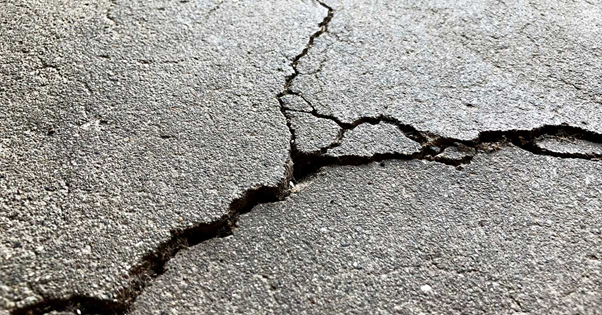
Concrete holds heavy weight and handles daily activity. Still, it reacts to natural forces around it. Temperature shifts, water, and traffic place steady pressure on the surface. Over time, these pressures begin to show.
Temperature Changes and Expansion
Concrete reacts to heat and cold. During warm weather, the material expands slightly. When temperatures drop, it contracts again.
This movement happens many times during the year. Each cycle adds a small amount of stress inside the slab. At first, you might not see anything unusual. Later, thin fractures appear across the surface.
These lines often show up near edges or joints. Some stay small for years. Others spread slowly when weather continues to shift.
Moisture and Drainage Issues
Water plays a large role in pavement damage. Rainwater or melting snow sometimes settles beneath the concrete. This moisture weakens the ground supporting the slab.
When the base shifts or softens, the pavement above it begins to move. Small separations form within the concrete surface. Over time, those separations become visible concrete pavement cracks.
Water also enters existing fractures. During cold periods, the moisture freezes and expands. The expansion pushes the crack wider.
Drainage systems help prevent this situation. Pavement that sheds water quickly tends to last longer.
Heavy Traffic and Load Stress
Commercial properties often experience constant movement. Delivery trucks arrive during the day. Employees and visitors park throughout the week.
Each vehicle places weight on the pavement. Lighter cars create little stress. Larger trucks push down with far greater force.
If the pavement was not built for those loads, the pressure builds inside the slab. Over time, the surface begins to fracture. Cracks may appear near driving lanes or loading zones where vehicles slow down or turn.
Improper Installation or Aging Materials
Concrete surfaces depend on proper installation. Contractors place expansion joints to allow the slab to move slightly during temperature shifts. Without those joints, pressure builds within the concrete.
Curing time also matters. Concrete needs time to harden before it can handle heavy traffic. If vehicles arrive too soon, the surface weakens.
Even well-installed pavement ages eventually. Years of use slowly wear down the material. Small flaws appear and expand as the structure loses strength.
Lack of Preventive Maintenance
Many property owners notice pavement only when damage becomes obvious. Small surface lines may appear harmless at first.
Yet minor issues often grow when ignored. Water enters those openings, debris collects inside them, and the pavement weakens further.
Routine maintenance slows that process. Small repairs cost far less than large replacements later.
Practical Steps to Prevent Concrete Pavement Damage
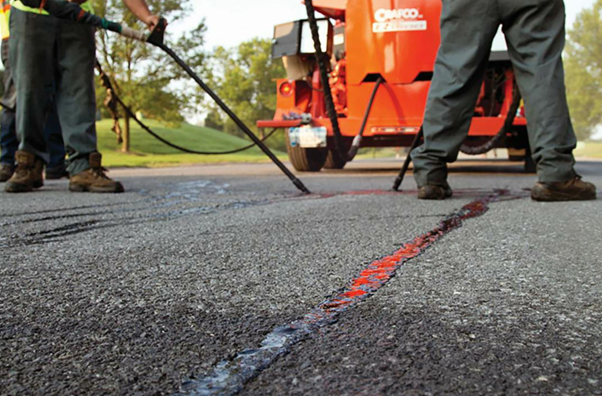
You cannot control the weather or heavy traffic completely. Still, a few habits help protect the pavement around your property.
Maintain Proper Drainage Around Pavement
Water should never remain near the base of concrete surfaces. Good drainage carries rain away from sidewalks, parking areas, and loading zones.
Check the surrounding ground during storms. If water pools beside the pavement, the slope may need adjustment. Clearing nearby drains also helps water move away quickly. These simple changes reduce moisture buildup beneath the slab.
Address Minor Surface Issues Early
Small cracks often appear as thin lines across the surface. They may seem harmless at first glance.
Early repair stops those openings from growing. Sealants block moisture from entering the pavement. This small step protects the concrete base beneath the surface.
Once water enters the crack, the repair becomes more difficult. Early attention saves both time and money.
Use Scheduled Pavement Inspections
Many property owners benefit from occasional pavement inspections. Walking across the lot or sidewalk once or twice a year helps you notice changes.
Look for uneven sections, small fractures, or areas where water collects. These signs often appear before serious damage develops. Maintenance teams can address these issues while they remain manageable.
Work With Experienced Pavement Professionals
Professional evaluation often reveals problems that property owners may overlook. Experienced crews recognize patterns that lead to pavement failure.
They can explain how to avoid cracks in concrete pavement by adjusting drainage, repairing early damage, or improving traffic patterns across the property. Professional insight also helps you plan maintenance schedules that extend pavement life.
Conclusion
Concrete pavement supports daily activity across commercial properties. Sidewalks guide visitors toward entrances. Parking areas hold vehicles throughout the day. Loading zones carry heavy traffic.
These surfaces experience steady stress from weather and vehicle weight. Small fractures often appear first, then grow slowly if left untreated. Understanding the causes behind pavement damage helps you respond earlier. Regular inspections, proper drainage, and early repairs extend the life of concrete surfaces.
At Yellow Dawg Asphalt, we help commercial property owners maintain durable pavement through inspections, crack repair, line striping, and concrete flatwork. Our team evaluates surface conditions and recommends practical maintenance solutions before small issues grow larger. Contact us today to schedule an inspection and keep your pavement performing well.
FAQs
-
Temperature changes, water infiltration, heavy traffic, and natural aging often lead to surface fractures. These factors place stress on the slab over time.
-
Yes. Small fractures may widen when water enters the surface. Freeze cycles and traffic pressure can expand them quickly.
-
Many commercial properties benefit from inspections once or twice a year. Properties with heavy traffic may need more frequent checks.
-
Yes. Poor drainage allows water to collect beneath the slab. This weakens the foundation and increases the chance of cracking.
-
Regular repairs, sealing small cracks, and managing water flow help pavement remain stable and usable for a longer period.