Pavement Crack Repair for Parking Lots: Choosing the Right Repair Method
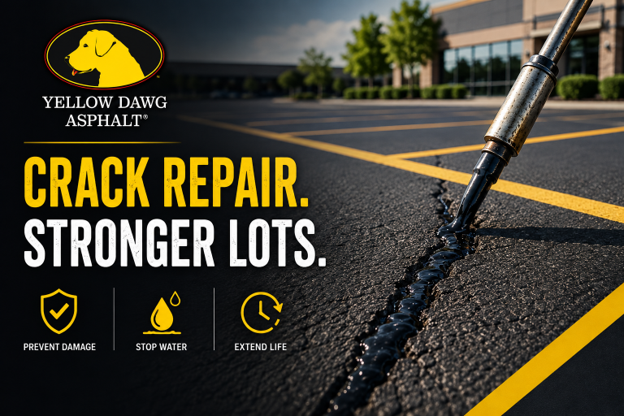
Your parking lot is not just pavement. It is the first thing a customer, tenant, or inspector walks across before they ever reach your door. And right now, if there are cracks running through it, those cracks are costing you more than they appear to.
Small cracks do not stay small. Repeated rain, moisture exposure, temperature changes, and traffic can accelerate deterioration once cracks open. Pavement crack repair for parking lots is not a cosmetic decision. It is a risk management decision, and the method you choose matters more than most property managers realize.
Why Parking Lot Cracks Are Different From Other Pavement Problems
Residential driveways carry one or two cars. Your lot carries delivery trucks, full parking loads, and constant turning movements that stress the surface in concentrated spots. That traffic load means cracks propagate faster and wider than most owners expect between inspection cycles.
The crack types you will encounter in a commercial lot also vary significantly:
● Alligator cracking (also called fatigue cracking) looks like a web of connected lines and signals that the base layer has been compromised. Surface-only crack filler will not solve this. It needs base repair before any overlay or sealcoat.
● Linear or longitudinal cracks run with or across the pavement and are usually caused by thermal expansion, poor joint installation, or reflective cracking from an underlying concrete slab.
● Edge cracking appears along the perimeter of the lot, often where pavement meets a curb line or unpaved shoulder without proper support.
Knowing which type you have tells you which repair method will actually hold.
The Methods That Work (and the One That Doesn't)
● Hot-applied rubberized sealants are commonly used for asphalt crack treatment because they can accommodate pavement movement. A heated, rubberized compound is applied directly into the cleaned crack, bonds to both walls as it cools, and flexes with the pavement through temperature changes. When properly installed over a cleaned, blown-out crack, it can extend pavement life by several years and prevent water from reaching the base.
● Proper preparation is an important part of a crack repair that is designed to hold up under traffic and changing conditions. Dirt, vegetation, and loose material have to be removed from the crack before anything goes in. Compressed air or a hot-air lance is the right tool.
● Cold-pour crack fillers are available for various pavement applications, but product selection should match the crack type, pavement condition, traffic level, and manufacturer's requirements. For commercial parking lots, a professional assessment can help determine whether a hot-applied rubberized sealant or another repair method is appropriate.
● Routing and sealing is the right approach for wider cracks. A router machine cuts a uniform reservoir channel into the existing crack, which gives the sealant material a consistent shape to fill and bond against. The controlled shape dramatically improves adhesion and longevity compared to filling an irregular crack profile directly.
What Most Property Managers Miss: Sequencing
Crack repair is not a standalone task. It is the first step in a maintenance sequence. Pavement crack repair for parking lots shouldbe done before sealcoating, never after. Sealcoat applied over open cracks will not bridge them. It will crack right through within months and leave you with a sealed surface that still admits water.
The correct sequence is: repair cracks, allow cure time, sealcoat, restripe. If a contractor is quoting you sealcoat without mentioning crack repair first, ask specifically how they plan to handle existing cracks before their crew arrives.
ADA Striping and Crack Repair: The Connection Most Lots Miss
Crack repair and ADA striping are separate maintenance tasks, but they often need to be considered together. Cracks or uneven pavement along an accessible route, access aisle, parking space, or ramp can create accessibility concerns, especially when surface conditions affect how people move through the property.
For property managers, that means accessible areas should not be treated as an afterthought during pavement maintenance. When cracks appear near ADA-designated parking spaces or connecting routes, addressing the pavement condition early can help keep these areas safer and easier to navigate.
Yellow Dawg can assess pavement conditions as part of a commercial site evaluation and identify areas that may need crack repair, pavement maintenance, or other related work. Addressing cracks before they become more extensive can help property owners stay ahead of larger pavement problems while keeping parking areas maintained and clearly marked.
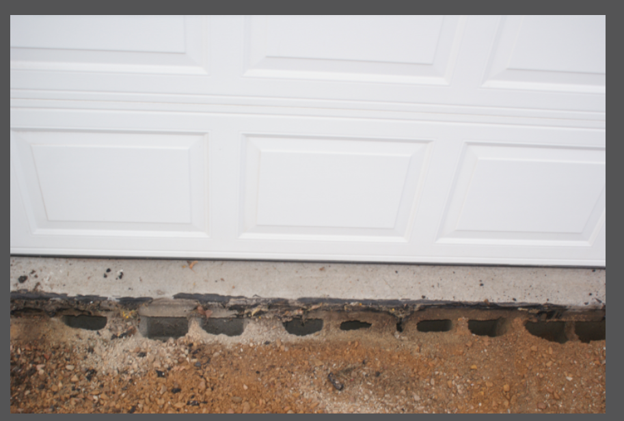
When crack repair and striping are both needed, planning the work together can also help keep the parking lot looking consistent and ready for daily use. Yellow Dawg can provide a written quote based on the condition of the pavement and the work your property needs.
Pavement crack repair for parking lots is one of the highest-return maintenance investments a commercial property can make, but only when the right method is matched to the right crack type and done in the right sequence.
Cheap fixes applied to the wrong problem, or applied before sealcoating without proper prep, will cost more in the long run than doing it correctly the first time.
Yellow Dawg Asphalt is locally owned and operated, backed by Jet-Black, the largest pavement maintenance company in the U.S. If you want a clear-eyed look at what your lot actually needs, contact us for a written quote and site inspection.
Frequently Asked Questions
-
A properly prepared and applied hot rubberized crack fill can typically last three to five years, although actual longevity varies with traffic volume, weather exposure, crack size, pavement movement, and overall pavement condition.
-
No. Most hot rubberized crack fillers require a cure period before the sealcoat is applied on top. Rushing that step causes adhesion failure. Your contractor should specify the required wait time in writing.
-
Crack sealing typically refers to routing first and then applying sealant into the prepared reservoir. Crack filling skips the routing step and fills the crack as-found. For wider or working cracks, sealing (with routing) is the more durable approach.
-
No. Alligator cracking indicates base failure, not surface failure. Crack filler applied over it will not hold. Base repair or full-depth patching is required first.
-
That depends on the contract terms. Yellow Dawg can walk you through what a written maintenance scope typically includes before you commit to anything.